
Coordinated Outfits: A Brief History
Coordinated outfits are not a new fashion statement. After the Great Depression era of the 1930s and the austere, utilitarian era of the post-World War Two 1940s, fashion took off in the 1950s. In addition to A-line dresses, puffy skirts, opera gloves, and cat-eye sunglasses, the 1950s was also the first real decade of matched sets, also known as coordinated outfits.
Coordinated outfits came in a wide range: matching dress and dress coat made of or lined with the same material; hats custom-made to match whole outfits; shirts with matching cardigan sweaters; matching top and bottom details like a pink scarf to match a skirt color or a neck ribbon or bow that also appeared on the trim of the dress or skirt; or the very popular Mommy & Daughter or entire Family complementary matching set.
As the proper look of the 1950s gave way to mod, rock, and polyester fashions of the later 1960s and 1970s, match sets continued. There were even “His and Her” matching outfits, that took the trend to entire new – um, horrendous, perhaps – heights.
In 1972, the children’s clothing company, Garanimals, launched with a clever solution for kids to dress themselves: match the embroidered animal on the shirt with the same animal on the bottom, and the colors and styles would be sure to be matched.
It wasn’t until 1980s that the matching trend had cooled off, overtaken by neon colors, oversized shoulder pads, big hair, and cut-out sweatshirt necklines.
The Vest Appears: Headcovers's First Product
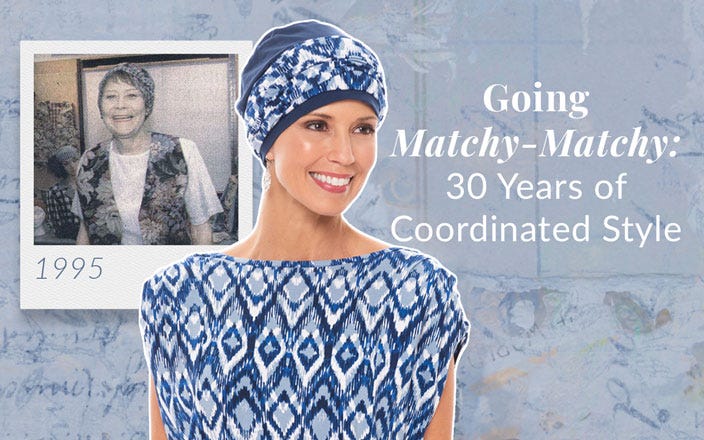
By 1995, when Headcovers Unlimited’s founder, Carol Galland, began to design products she wished she’d had during her chemotherapy treatment, she recalled how she didn’t feel normal during her treatments. The hats and turbans that were available at the time screamed “cancer patient.”
She began exploring ideas where the headwear would look intentional, as part of an ensemble and an accessory to a fashionable look, for example, rather than one that was worn out of necessity. She came up with an idea to coordinate a vest with the headcover.
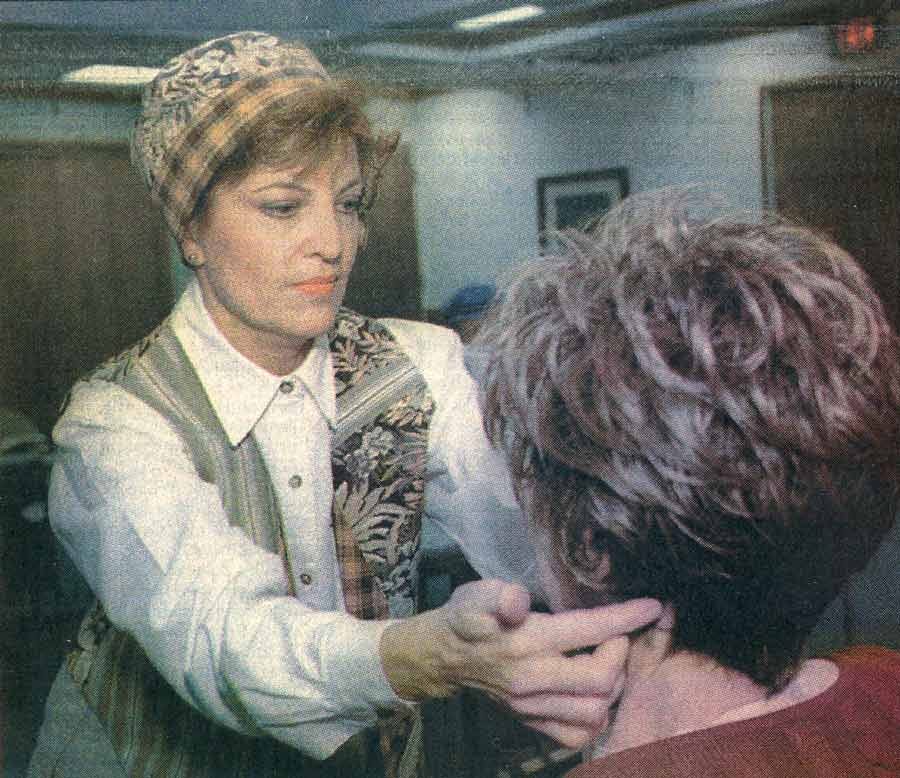

Vests were all the rage in the 1990s. First popularized on women in the 1977 movie, Annie Hall, vests made a comeback in the 1990s, perhaps in part due to the popularity of the television show, Friends, and the vests Jennifer Aniston’s character, Rachel, often wore.
In Carol Galland’s case, she viewed the vest as a way for cancer patients to feel more fashion-forward. Instead of needing to buy multiple articles of clothing to go with the cap or hat, the patient could move the vest from dresses to t-shirts to business casual ensembles. Using a variety of fabrics like tapestries, tweeds and boucle fabrics, she went for interesting textures in muted colors to allow them to be paired with a variety of looks. It was also a very practical way to get different looks for less money.
Coordinated, But Different: A Modern Take on Matching Sets
Unfortunately, these fabrics were quite costly, and each item had to be handmade by a local seamstress, so they were very custom. It made the Headcovers’s coordinated set impossible to scale to an online audience, back in 1997, and the coordinated offerings were eventually discontinued.
Today, however, Headcovers.com now features a new kind of matched set: the casual outfit. A step-up from pajamas but just as easy and comfy to wear, these attractive mix-and-match bamboo sets were inspired by the response to bamboo caps and hats. Customers sent in so much positive feedback about the bamboo headcovers they were purchasing that Headcovers decided to re-visit but refresh the coordinated outfit idea. Offering comfort in fabric and form, the design team created loose pants, flowing tops, track suits, and even chemo port shirts, all designed to easily pair with bamboo hats and scarves. Wearers can feel fashionable, put together, and more like their usual selves without using too much energy to their look.
Today's Matching Outfits
In fashion, going matchy-matchy has once again come into vogue. In addition to two-piece matching athleisure and casual sets, it’s also not uncommon to see whole families wearing matching outfits – there are entire sections of some online retailers dedicated to matching family outfits -- and couples coordinating for public forays. In the cancer community, there’s a trend to coordinate in a show of solidarity.
On Headcovers.com, besides all the hats we sell that can be worn by a whole group, we also sell swim caps that family members can wear at the beach and elf sleeping caps that make the holiday family time for the cancer patient a little more festive and fun.
Today, whether the matching is for the comfort and ease of a cancer patient or in support of them, it’s all safe fashion territory. So, get on the coordinating train!